
Check flange bore, bolt pattern, facing and drawing revisions before ordering nickel alloy components for existing equipment.
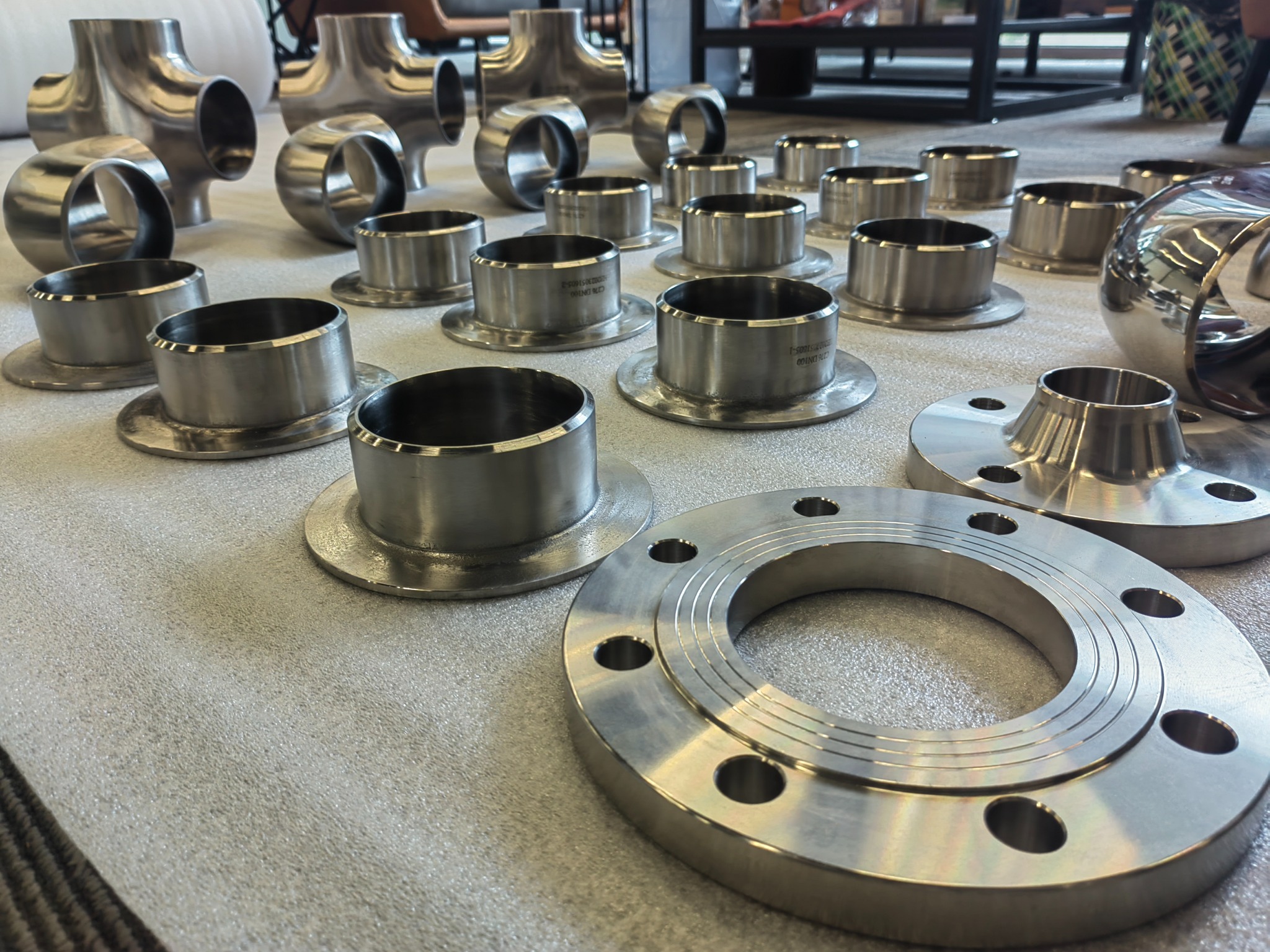
A flange can have the requested alloy designation and still fail to match the equipment waiting on site. For purchasing teams, the useful question is not only “Is this the right metal?” but “Which approved interface must this item connect to?” This guide proposes a drawing-led review before a flange order is released. It is procurement guidance, not a pressure-rating calculation.
Ask the project engineer for the current nozzle or mating-flange drawing, its revision and the equipment tag. Use that document as the reference for the supplier’s dimensional review. A catalogue photograph shows a product family; it cannot confirm the bolt pattern, bore or sealing-face details of a particular item.
Put the equipment tag and drawing revision on the enquiry line. Keep them on the quotation and purchase order. If a revised drawing arrives during purchasing, record which quoted items require another review before accepting the change.
A supplier’s confirmation of one question should not silently close the other two. In particular, a matching nominal size is not a complete compatibility statement.
ASME describes B16.5 as covering pipe flanges and flanged fittings from NPS 1/2 through NPS 24, with requirements addressing pressure-temperature ratings, materials, dimensions and other acceptance topics. B16.47 addresses larger pipe flanges, NPS 26 through NPS 60. These scope statements help identify the reference to review; they do not establish that every alloy, flange type or project requirement is covered. Check the contract edition and the applicable material and rating provisions in the full standard.
| Field | What the buyer should obtain |
|---|---|
| Reference | Equipment tag, drawing number, revision, standard and edition; series where applicable. |
| Size and bore | Nominal designation plus the approved actual bore and pipe-end requirements. |
| Bolting | Bolt-circle diameter, hole count, hole diameter and any orientation requirement. |
| Sealing interface | Facing designation, relevant dimensions, specified finish and gasket reference. |
| Overall geometry | Outside diameter, thickness, hub or neck details and installation constraints. |
| Disposition | Accepted, clarification required, or a listed deviation awaiting engineering approval. |
This is a suggested review sheet, not a replacement for the dimensional tables or inspection requirements in the governing specification. Keep dimensions and units together. Do not approve an unlabelled value copied from a catalogue.
Suppose an enquiry says only “nickel alloy flange, same as the installed unit.” Instead of requesting a price against a photograph, attach the approved interface drawing and ask the supplier to return a marked-up dimensional confirmation. Have the engineer resolve missing bore, facing or bolting information before the order is placed. If only a field measurement is available, identify it as a survey record awaiting engineering approval, not as an approved manufacturing drawing.
A useful enquiry note is: “Please quote against the attached drawing revision and identify every dimensional or material deviation separately. Do not substitute the stated standard or pressure designation without written approval.” This example does not imply any particular flange is suitable for service.
Agree which dimensions will be reported, how the report will identify the delivered items, and who will accept any deviation. Request protection for sealing faces and visible identification after packing. At receipt, compare the item, approved drawing and agreed inspection record before releasing the flange for installation.
For a new enquiry, send the interface drawing and material requirements through our quote form, or review our flange supply page. Where a pipe connection is also being purchased, include its details with the associated fittings so the interfaces can be reviewed together.
Check the edition required by your project. The following publisher pages identify the specification families discussed above.