
Hangbo Alloy Group
Shanghai · Est. 2012
Importing nickel alloy from China is a customs risk as well as a metallurgy risk. This guide shows how HS codes, certificates of origin and a consistent document package decide whether your bar, tube or plate clears the border without a duty dispute.
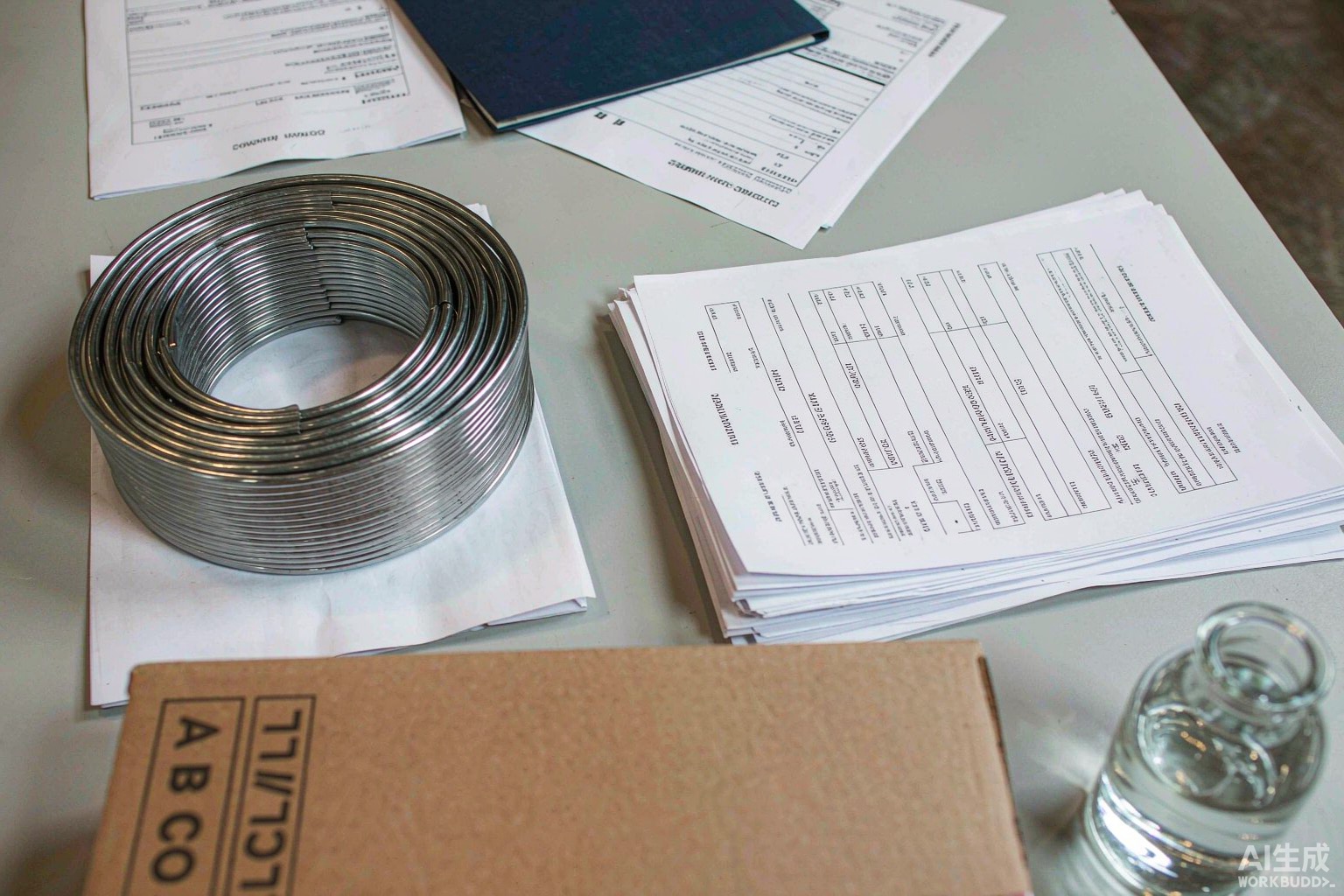
When you buy nickel alloy from an overseas mill, clearing customs is a separate risk from receiving the right metal. A shipment with perfect chemistry can still sit at the border for weeks because the HS code was wrong, the certificate of origin was missing, or the commercial documents did not line up with the mill test certificate. This guide is written for buyers importing nickel alloy bar, tube, plate, strip, forgings or welding wire, and who need to know which classification, origin and documentation details to pin down before the container leaves the supplier.
We walk through how nickel alloy is classified under the Harmonized System, what a certificate of origin must actually show, the document package an importer should check at the freight forwarder, the declaration mistakes that trigger holds, and how country-of-origin rules tie back to the melt shop. Our nickel versus stainless selection guide, our grade pages for Inconel 625 and Hastelloy C-276, and our welding guide explain the alloys behind the paperwork, while our procurement pitfalls guide covers the wider list of ways a nickel alloy order can go wrong before it ever reaches your dock.
Short answer: the HS code and the declared value drive the duty you pay and the scrutiny the shipment receives, so a wrong code or a mismatched declaration is what gets a container pulled for inspection rather than the metal quality.
Customs does not open every coil and measure the chemistry. The officer reads the declaration, checks the HS code against the product description and the invoice, and decides whether the duty is correct and the origin is eligible. If the code points to a different product family, if the value looks inconsistent with the grade, or if the origin document is absent, the shipment is flagged and the metal waits — sometimes for weeks — while the buyer burns storage and the project slips. The metallurgy can be flawless and still cost you delivery.
The second reason classification matters is duty and trade-measure exposure. Nickel and its alloys sit in their own tariff chapter, and the rate an importer pays depends on the exact heading and the trade agreement between the exporting and importing countries. A code that understates the alloy or the form can be reclassified by the authority with a back-duty bill plus a penalty, so the short-term saving on a cheaper declaration is rarely worth the audit. Our sour-gas selection guide and our machining guide assume the material has already arrived; this article is about making sure it does.
Short answer: unwrought and worked nickel — including the nickel-based alloys most buyers import — is classified under HS Chapter 75, with the specific heading set by the product form such as bar, wire, plate or tube.
| Product form | Typical HS heading | What the officer checks |
|---|---|---|
| Bars, rods, profiles | 7503 / 7505 family | Whether it is simply worked or further shaped |
| Wire | 7504 family | Diameter and whether it is a welded wire |
| Plate, sheet, strip | 7505 / 7506 family | Thickness and width tolerances |
| Tubes and pipes | 7507 family | Seamless vs welded, outside diameter |
| Forgings, fittings | 7508 family | Whether it is a further worked article |
The exact sub-heading and rate are set by the importing country's own tariff schedule, so the buyer should confirm the code with the freight forwarder before booking, not after the hold. A nickel alloy is not a stainless steel and is not a plain steel, and declaring it under a steel heading to chase a lower rate is one of the most common triggers for a reclassification and a penalty. When the grade is selected for a demanding environment — for example Inconel 625 for seawater or Hastelloy C-276 for acid — the chemistry on the mill test certificate must support the alloy the code implies, because that certificate is the document customs will ask for first.
Short answer: a certificate of origin must name the true country where the goods were produced and the manufacturer, and a generic or unsigned form is what gets rejected at the border.
| Document | What it proves | Common gap |
|---|---|---|
| Certificate of origin | Where the goods were made | Names a trader, not the plant |
| Commercial invoice | Value and parties to the sale | Value inconsistent with grade |
| Packing list | Quantities and package count | Net/gross weight mismatch |
| Mill test certificate (EN 10204) | Chemistry and the real heat | Not referenced by the invoice |
| Bill of lading | Carrier and routing | Shipper differs from seller |
The most frequent failure is a certificate that names a trading company as the maker instead of the actual production plant, or that is unsigned and therefore cannot support a preferential-tariff claim. Customs wants the origin tied to where the metal was actually melted and worked, so a document that hides the melt shop behind a reseller is a red flag for both the authority and for you as a buyer trying to avoid mis-certified material. Ask for the certificate to be issued by or traceable to the producer and cross-check the heat number on it against the mill test certificate before the goods ship.
Short answer: the commercial invoice, packing list, bill of lading, certificate of origin and mill test certificate must all agree on grade, heat, quantity and value, because any mismatch is what a customs officer acts on.
Border checks are largely a document cross-reference. The invoice value should match the payment terms, the packing list weights should match the bill of lading, and the grade and heat on the mill test certificate should match what the invoice describes. When the certificate of origin says one maker and the bill of lading shows another shipper, or when the declared value is far below the going market for the grade, the file stops moving. Building the package so every line agrees is cheaper than a week of customs correspondence, and it is the same discipline that protects you from a substitution at the source, as discussed in our selection guide.
For material that will be welded after import, keep the filler and procedure documents in the same file, because an officer or an end-user auditor may ask how the alloy will be joined. Our welding guide covers the consumable side; the import file should show the alloy and its grade papers travel together so nothing is separated at the border.
Short answer: the usual triggers are a misstated product form, an HS code borrowed from stainless or carbon steel, a value that does not fit the grade, and a missing or inconsistent origin document.
| Mistake | Consequence | Fix |
|---|---|---|
| Wrong product form on the code | Reclassification, duty bill | Confirm form before booking |
| Code taken from steel | Penalty, delay | Use the nickel chapter |
| Value below market | Valuation enquiry | Declare the real contract price |
| Inconsistent origin | Hold, no preference | One maker across documents |
| Missing MTC reference | Chemistry not verifiable | Quote heat on invoice |
None of these mistakes is a metallurgical defect, yet each one can cost more in delay than a dimensional tolerance slipping a few microns. The pattern behind them is the same: someone filled the declaration from memory or from a template meant for a different metal. Insist that the HS code, the form and the value are stated from the actual order and the actual grade, and that the mill test certificate is referenced by heat so the chemistry can be reconciled if questioned. Where the alloy is bound for sour or chloride duty, our sour-gas guide and our machining guide still apply once the goods clear, so the paperwork should be built to hand off cleanly to those next steps.
Short answer: origin is decided by where the metal was melted and substantially worked, and the only way to prove it is a heat number that ties the shipment back to a named melt shop.
Preferential duty and rules-of-origin both rest on the same fact: where the alloy was actually produced. A reseller in a third country does not change the origin if the metal was melted and worked elsewhere, and a certificate that implies otherwise is the kind of error that unwinds a shipment at audit. The buyer's protection is the heat number on the mill test certificate, because that number is issued by the melt shop and is the anchor for every later claim about chemistry, origin and quality. Our procurement pitfalls guide treats heat traceability as the backbone of safe buying, and it is no less important at the customs desk than it is in the receiving bay.
Tie the forwarder's documents to that heat number before the container loads, and keep the mill test certificate where it can be produced in minutes, not days. A buyer who can show the grade, the heat and the maker on one consistent set of papers clears customs faster and sleeps better about what is really in the box.
Short answer: require the correct product form and HS reference, a producer-issued certificate of origin, heat-traceable documents, and a declaration that the invoice value matches the contract before you pay.
| Clause | What to require | Why it matters |
|---|---|---|
| Product form | Bar, tube, plate, etc., by form | Drives the right HS code |
| Certificate of origin | Issued by or traceable to maker | Supports duty and origin |
| Heat traceability | Heat on invoice and MTC | Proves real origin |
| Document consistency | Agreement across the file | Stops the hold |
| True value | Contract price declared | Avoids valuation enquiry |
Put these in the proforma invoice as well as the purchase order, because the forwarder builds the declaration from those papers. A supplier who resists naming the producer or who wants to declare a value you did not agree to is showing you the exact risk you are trying to avoid, and it is worth resolving before the metal is on the water rather than at the border with a demurrage clock running. Once the alloy clears and moves to fabrication, our welding guide and our grade references take over the technical side of the job.
Run through this before the container is booked:
Nickel and its alloys are classified under HS Chapter 75, with bars, rods and profiles generally falling in the 7503 / 7505 family and the exact sub-heading set by the importing country's tariff and by whether the section is simply worked. Confirm the specific code with your forwarder before booking, because the rate and the scrutiny both depend on getting the form right.
If you want to claim a preferential tariff under a trade agreement, or if the importing country requires proof of where the metal was made, you need a certificate of origin that names the true producing plant. Even where it is not mandatory, a clean origin document speeds clearance and protects you if the shipment is ever audited, so request one tied to the melt shop.
No, and it is not worth it. Customs values imports at the real transaction price, and a declared value that is far below the market for the grade triggers a valuation enquiry and a possible penalty, on top of the delay. Declare the contract price and keep the paperwork consistent instead of chasing a saving that the authority will recover with interest.
The usual reasons are a wrong HS code, a certificate of origin that does not name the real maker, a value that does not fit the grade, or documents that disagree on heat, quantity or shipper. None of these is about metal quality; they are document cross-reference failures, and each is fixable before booking if you check the file as a set rather than as separate papers.
Both sit in Chapter 75 as nickel and nickel alloys, but the sub-heading is driven by the product form and the specific alloy family, so a pure nickel bar and an Inconel 625 bar can fall under different headings within the chapter. The chemistry on the mill test certificate should support whichever code is declared, which is why the grade and the heat must travel with the documents.
Trace the heat number on the mill test certificate back to a named melt shop and confirm the certificate of origin was issued by or references that same producer. A reseller in a third country does not change where the metal was melted, and the heat number is the only anchor that proves the origin claim is genuine rather than convenient.
For the European Union the material declaration side matters as much as the customs side: importers often need substance and conflict-minerals information alongside the standard shipping papers. Ask the supplier for the applicable declarations early, because they are separate from the HS code and the certificate of origin and they are easiest to collect before the goods leave the plant.
If you are importing nickel alloy and want the classification, the certificate of origin and the document package handled so the shipment clears instead of sitting at the border, send us the grade, product form, quantity and destination. Our Shanghai plant ships double-melted, virgin-charge stock with the mill test certificate, the producer-issued origin document and a consistent invoice and packing list all tied to the same heat number, so the file cross-checks the moment a customs officer opens it. Response time is typically ten minutes, and we supply worldwide.
Email: serena@hangboalloy.com
Phone: +86 166 2109 2936
WhatsApp: +86 166 2109 2936
Send us the grade, product form, quantity and destination country. We will confirm the right HS classification, issue the certificate of origin from our own plant, and ship double-melted, virgin-charge stock with a consistent document package tied to the heat number, so your bar, tube or plate clears the border instead of waiting on a document enquiry.