
Hangbo Alloy Group
Shanghai · Est. 2012
Nickel alloys weld well, but they fail in predictable ways when the basics are skipped: hot cracking from sulphur and lead, porosity from moisture and oil, and grain growth from too much heat input. This guide lists the precautions that separate a weld that passes inspection from one that opens up in service, and the receiving checks that confirm a fabricator actually followed them.
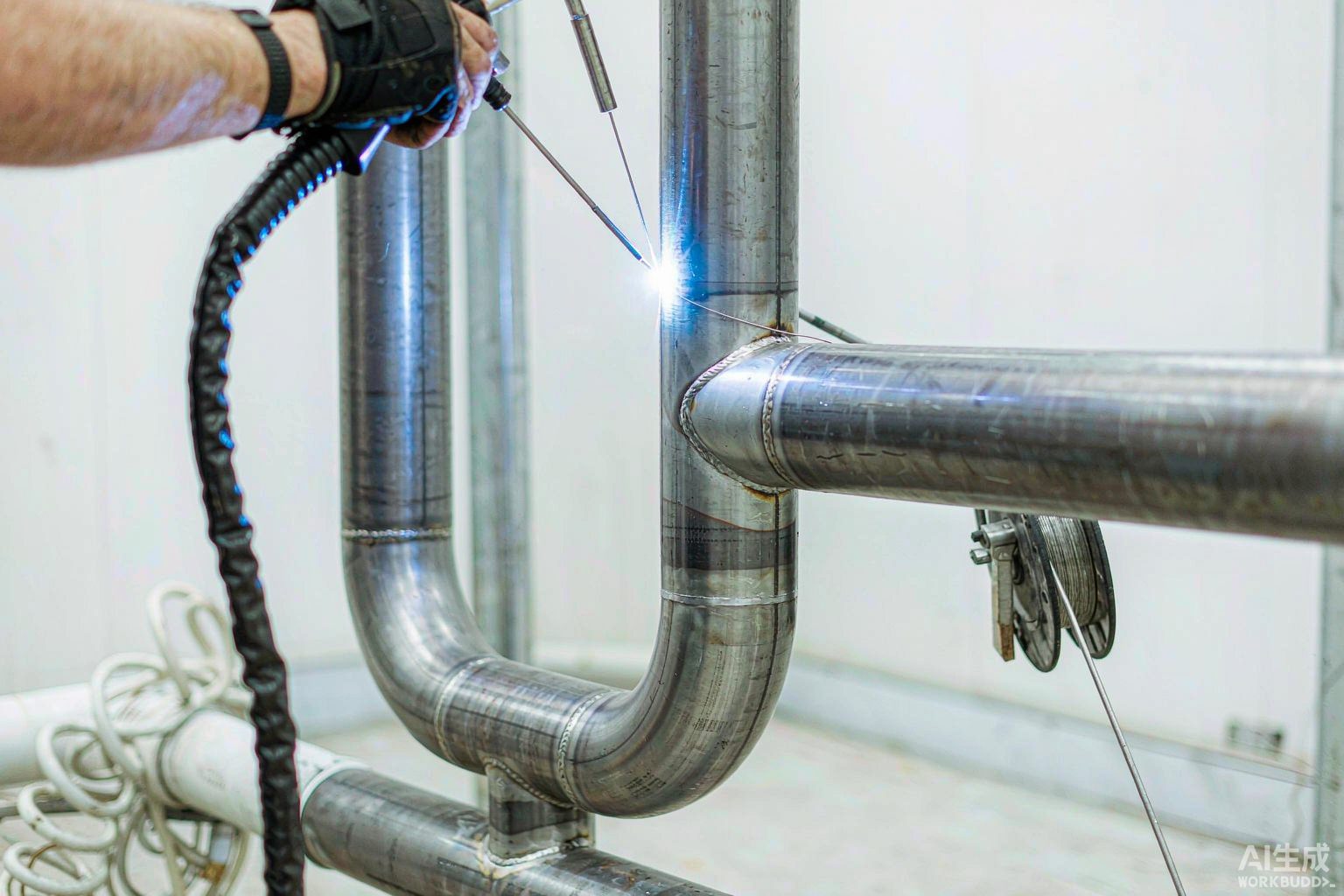
Nickel alloys are fully weldable, but they are less forgiving than carbon steel: the same shortcuts that a mild-steel fabricator gets away with - a lightly oiled joint, a hot interpass, a filler from the back of the shelf - produce porosity, hot cracks and a heat-affected zone that corrodes early. The short answer is that a sound nickel weld is made before the arc is struck: clean base, matched filler, controlled heat. This guide lists the precautions that separate a weld that passes inspection from one that fails in service, and the checks a buyer can ask for to confirm the fabricator actually followed them.
We write this from the supply side. Hangbo Alloy Group machines and heat-treats nickel alloy in Shanghai and sees the weld failures that trace back to dirty base metal or the wrong filler, because the material we ship is only as good as the joint it ends up in. Our interest is that buyers stop treating welding as a generic skill and start specifying the procedure the alloy needs.
For the purchasing background, our procurement pitfalls guide maps the failure points around material supply, and our weld-repair guide covers why a claimed repair is not the same as a sound one.
The most common nickel-alloy weld defect is hot cracking, and it is almost always impurity-driven. Low-melting elements - sulphur, lead, phosphorus and sometimes a trace of boron - segregate to grain boundaries and form a liquid film as the weld solidifies; the shrinkage stress then tears the still-soft boundary open as a centreline or crater crack. The short answer: keep impurity out of the base, the filler and the joint, and shape the bead so it does not lock in a deep concave profile that cracks most easily.
Practically, the crack sensitivity tracks the grade. The high-silicon and high-phosphorus heats are the worst, and single-phase solid-solution alloys such as 600 and 690 are more prone than the age-hardened grades. That is why a low-impurity certificate on both base and filler matters more than most buyers realise - a dirty filler defeats a clean base, and the crack appears at the most stressed point of the joint.
| Crack driver | Where it enters | Typical result | Control |
|---|---|---|---|
| Sulphur / lead | Base surface, dirty filler, oil | Centreline hot crack | Low-impurity cert, clean joint |
| Phosphorus | Base chemistry | Intergranular cracking | Verified melt chemistry |
| Concave bead | Weld profile | Crater / centreline tear | Stringer beads, gentle profile |
| Locked stress | Restraint, hot interpass | Reheat / solidification crack | Low heat input, cool between passes |
The table is a checklist, not a recipe: the exact numbers belong in the weld procedure. But if a fabricator cannot name the impurity level of the filler or show a clean joint, the crack risk is already on the table.
Nickel alloys pick up trouble from the surface, so joint preparation is the second pillar of a sound weld. Oil, grease, paint, layout chalk, machining coolant, scale and even bare-hand sweat carry carbon, sulphur and moisture into the pool, where they become porosity and cracking you cannot see from the outside. The short answer: the joint and the adjacent 25 to 50 mm must be degreased and wire-brushed to bright metal with a brush reserved for nickel or stainless, immediately before welding.
A shared carbon-steel brush is a classic mistake: it leaves embedded iron that rusts and seeds corrosion, and it drags steel particles into the weld. Likewise, grinding dust from a previous job contaminates the bevel. The preparation has to be recent - a beautifully cleaned joint left overnight in a damp shop reabsorbs moisture and oil from the air, and the first pass pores up.
Our PMI guide explains why verifying the actual grade before cutting and welding prevents the worse failure of welding the wrong alloy entirely, and our MTC guide covers what a real certificate should show about chemistry and cleanliness.
The filler is not a commodity. For a solid-solution grade such as 600 or 625, weld with an overalloyed filler of the same family so the deposit tolerates the service; for a dissimilar joint, pick a filler that survives both sides rather than one that only matches the thicker parent. The short answer: the filler carries its own low-impurity certificate, because the weld is only as clean as its dirtiest input.
A frequent trap is a fabricator reaching for a generic stainless wire on a nickel joint to save a step. The result is dilution that changes the deposit chemistry, lowers corrosion resistance and invites cracking. The procedure must name the filler grade and class, and the receiving inspection should confirm the wire or rod on site matches the paperwork - our weld-repair guide covers why a claimed filler is so often not the filler used.
| Base grade family | Typical filler | Why | Avoid |
|---|---|---|---|
| 600 / 690 | ERNiCr-3 (82) | Over alloyed, crack resistant | Generic stainless wire |
| 625 | ERNiCrMo-3 (625) | Matched Mo, Nb | Dilution from wrong wire |
| C-276 / C-22 | ERNiCrMo-4 / -10 | Corrosion-matched | Carbon-steel rod |
| 800H | ERNiCr-3 or 617 | High-temp stable | Low-alloy filler |
None of these are interchangeable. The right filler is the one the procedure names and the certificate proves, and a fabricator who cannot show both should not be welding the part.
The third pillar is heat control. Nickel alloys conduct heat poorly and retain it, so a high heat input and a hot interpass temperature grow the grain in the heat-affected zone, which worsens both hot-cracking resistance and corrosion behaviour. The short answer: weld with controlled stringer beads at the lowest heat input the joint allows, and keep the interpass temperature within the procedure limit rather than letting the part cook between passes.
For the crack-sensitive grades the interpass limit is often below 150 degrees C, measured on the parent, not guessed by touch. Flooding the joint with heat to speed the job is the most common self-inflicted defect: it looks fine, passes a quick visual, and then the coarse-grained zone corrodes or cracks months later. Low heat input also limits distortion, which matters on thin-wall tubing and clad overlay.
Our heat-treatment guide explains why a claimed anneal or solution treatment is worthless without verification, and the same logic applies to welding heat: what you cannot measure, you cannot trust.
Nickel weld metal must never see air while it is hot. Argon, often with a little helium for penetration, is the standard shielding for TIG and MIG, and the trail and back side of the joint must both be protected so the hot metal stays in inert gas from start to finish. The short answer: dry gas, steady flow, no draught, and a backing purge on any joint where the root would otherwise oxidise.
A workshop draught that breaks the shield is invisible until sectioning shows porosity, and a damp gas line wets the pool directly. For some stainless-to-nickel dissimilar work a small hydrogen addition stabilises the arc, but it must never be used on nickel-rich grades where it drives porosity. The gas type and flow belong in the procedure, and a fabricator topping up from an unmarked bottle is a red flag.
Whether to heat-treat after welding is grade-specific, and a blanket rule is dangerous. Solid-solution alloys such as 600, 625, 800H and C-276 are usually used as-welded or given a solution anneal, not a low-temperature stress-relief that can sensitise them by precipitating chromium carbides at the grain boundary. Precipitation-hardened grades need their own ageing cycle after welding to recover strength. The short answer: the procedure names the exact post-weld step, and applying the wrong one is worse than doing nothing.
The sensitization risk is real for the corrosion grades: a slow cool through the 600 to 900 degrees C band lets carbon tie up chromium at the boundary, leaving the grain edge starved of corrosion resistance even though the bulk chemistry is perfect. Our sensitization guide covers how that failure appears in service and how to avoid it.
You do not have to be a welder to protect yourself; you require evidence the procedure was followed. The short answer: ask for the weld procedure specification and procedure qualification record, the filler certificate, a recent joint-cleanliness check, interpass-temperature logs, and the relevant non-destructive test on the finished joint. A fabricator who treats these as paperwork already owes you is one you can trust; one who treats them as optional is one to avoid.
For critical joints, independent inspection at hold points catches a shortcut before it is buried. Our third-party inspection guide maps where an inspector should stand, and our procurement pitfalls guide ties the whole chain together from material to welded assembly.
| Check | What it proves | Skip risk |
|---|---|---|
| WPS and PQR | Procedure qualified for the grade and thickness | Untried weld, unknown defects |
| Filler certificate | Low impurity, correct class | Dirty or wrong deposit |
| Interpass log | Heat controlled | Coarse grain, distortion |
| RT / PT / UT | No crack, porosity, lack of fusion | Hidden service failure |
The procedure itself sits under codes rather than under the alloy spec. ASME IX qualifies the weld procedure and the welder, AWS A5.14 covers nickel-alloy filler metals, and NACE / ISO 15156 governs welding for sour service where hydrogen cracking is the concern. The short answer: the grade certificate proves the metal; the weld code proves the joint. A buyer needs both, because a perfect ingot welded by an unqualified procedure is still a liability.
These standards also define how a procedure qualification is recorded, so the document trail is auditable years later when a joint is questioned. That is why a fabricator should hand you the WPS, PQR and welder certification as a matter of course, not as a favour.
Hot cracking comes from low-melting impurities - chiefly sulphur, lead, phosphorus and a little boron - that sit at grain boundaries and liquefy as the weld freezes, tearing it open. The defence is clean base metal and filler with very low residual impurity, plus a weld profile that avoids a deeply concave bead, which is the shape most prone to centreline cracking.
Because nickel alloys are unforgiving of surface contamination. Oil, grease, paint, chalk, machining coolant and even bare-hand sweat introduce carbon, sulphur and moisture that turn into porosity and cracking. The joint and the adjacent 25 to 50 mm must be degreased and wire-brushed with a dedicated stainless or nickel brush to bright metal immediately before welding.
Match the filler to the base grade and the service. For solid-solution grades such as 600 or 625, weld with an overalloyed filler of the same family; for dissimilar joints, pick a filler that tolerates both sides. The filler must carry its own low-impurity certificate, because a dirty filler defeats a clean base. Our weld-repair guide covers why a claimed filler is not the same as the filler used.
As low as the joint allows. High heat input and a hot interpass temperature coarsen the grain in the heat-affected zone and worsen hot-cracking resistance and corrosion behaviour. Use controlled stringer beads, keep the interpass temperature within the procedure limit (often below 150 degrees C for the crack-sensitive grades), and let the joint cool between passes rather than flooding it with heat.
Yes. Argon, often with a little helium for penetration, is the standard for TIG and MIG; the gas must be dry and the trail and back side must be protected so the hot metal never sees air. A draught that breaks the shield produces oxidation and porosity you cannot see until sectioning. For some stainless-nickel dissimilar work a small hydrogen addition helps, but never on nickel-rich grades where it drives porosity.
It can. Touching the tungsten to the pool or letting it overheat sheds tungsten particles into the weld, which act as hard inclusions and crack starters and usually fail radiographic inspection. The fix is correct tungsten type and size, proper gas flow, and a fresh tip the moment it shows colour. A contaminated weld typically has to be ground out and redone.
Not always, and for some grades it is the wrong move. Solid-solution alloys such as 600, 625, 800H and C-276 are usually used as-welded or given a solution anneal, not a stress-relief that could sensitise them. Precipitation-hardened grades need their own ageing cycle after welding. The procedure must name the step; a blanket stress-relief applied to the wrong grade can do more harm than good.
If your fabricator reports weld defects, or you want material that welds the first time, send us the grade, product form and service condition. We will advise the correct filler, cleaning step and heat-input envelope for the joint, and supply our own production with chemistry and surface cleanliness verified so the weld starts from a known, clean base. Typical response time is ten minutes, and we ship worldwide from Shanghai.
Email: serena@hangboalloy.com
Phone: +86 166 2109 2936
WhatsApp: +86 166 2109 2936
Send us the grade, product form and the service condition, and we will advise the correct filler, cleaning step and heat-input envelope for the joint, and supply our own material with chemistry and cleanliness verified so the weld starts from a clean, known base.